

How to Shop Black and Support Real Community Growth
Shopping Black is defined as the intentional act of purchasing from Black-owned businesses to redirect economic power into communities that have historically faced revenue gaps. Black Americans represent about 14% of the U.S. population, yet Black-owned businesses make up only roughly 3% of all businesses nationwide. That gap is not accidental. It reflects decades of limited access to capital, networks, and consumer attention. When you choose to buy Black products, you are not just making a purchase. You are putting money back into the hands of entrepreneurs who are building something bigger than a storefront. This guide gives you the tools to do it well, across every product category you already shop.
How to shop Black with confidence: finding verified businesses
The biggest mistake shoppers make is trusting any list they find online. Many public directories are crowdsourced and never updated, which means a business listed as Black-owned may have changed hands, closed, or never been verified in the first place. Crowd-sourced lists can be outdated or inaccurate, and relying on them wastes your spending power.
The most reliable approach is to use manually verified directories. Resources like The Black Rolodex confirm Black ownership and current operation status by hand before publishing any listing. BuyBlack.org features 50,000+ searchable Black-owned businesses across categories including automotive, beauty, books, grocery, and home goods. That breadth means you can find a verified seller for almost any purchase you are already planning to make.
When using any directory, apply filters by product category and location. This narrows results quickly and helps you find authentic Black-owned brands that match your specific needs. Look for directories that show when a listing was last verified, not just when it was added.
Here is what to check before you buy from any Black-owned business you find online:
- Ownership transparency: The founder or owner is named on the website, with a clear story or bio.
- Active social presence: The business posts regularly and responds to customers.
- Directory confirmation: The business appears in at least one manually verified directory, not just a self-submitted list.
- Contact information: A real email, phone number, or physical address is listed and functional.
- Consistent branding: The website, packaging, and social media all reflect a coherent, professional identity.
Pro Tip: Search the business name plus “founder” or “owner” on LinkedIn or Instagram before purchasing. Founders of authentic Black-owned brands almost always have a visible public presence tied to their company.
Best practices to buy Black products across every category
Black-owned businesses span diverse sectors including beauty, home goods, fashion, tech, and grocery. That means you can apply a “buy Black first” approach to nearly every spending category in your life, not just one or two.
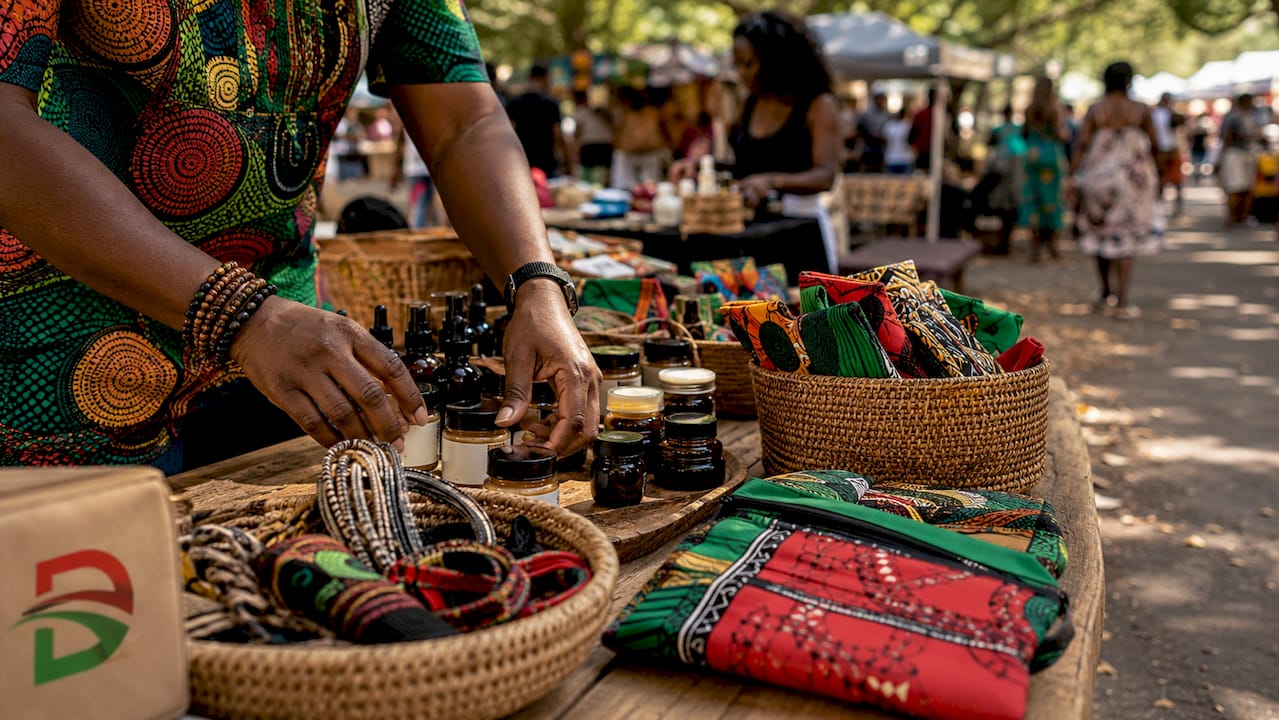
The key is to build a habit, not a one-time gesture. Start by identifying the three or four product categories where you spend the most money each month. Then find two or three verified Black-owned brands in each of those categories. This focused approach creates consistent revenue for specific businesses rather than spreading thin, irregular purchases across dozens of sellers.
Here is a category-by-category approach to get started:
-
Beauty and skincare: Black-owned beauty brands have some of the strongest representation in the market. Look for brands that specialize in textured hair care, melanin-rich skincare formulas, and clean beauty products. Directories like BuyBlack.org list hundreds of verified options. Davillagenetwork carries Black beauty brand products across skincare and self-care categories.
-
Fashion and apparel: Black fashion stores range from streetwear to high-end contemporary design. When building your wardrobe, use curated guides to find verified sellers rather than browsing general marketplaces. A Black-owned brand wardrobe guide helps you make intentional choices by style category.
-
Home goods: This is one of the fastest-growing categories for Black-owned brands. From kitchen tools to decorative art, verified Black-owned home goods sellers are easier to find than most shoppers realize.
-
Tech and accessories: Black-owned tech brands and accessory sellers are growing in visibility. Prioritize verified sellers when buying phone accessories, audio gear, and everyday tech tools.
-
Food and grocery: Black-owned food brands appear in local markets, online shops, and national retailers. Buying from them directly, rather than through large intermediaries, keeps more revenue with the founder.
Pro Tip: Set a monthly reminder to rotate one new Black-owned brand into your regular purchases. Consistency across a year creates far more economic impact than a single large purchase during Black History Month.
Ways to support Black-owned businesses beyond the purchase
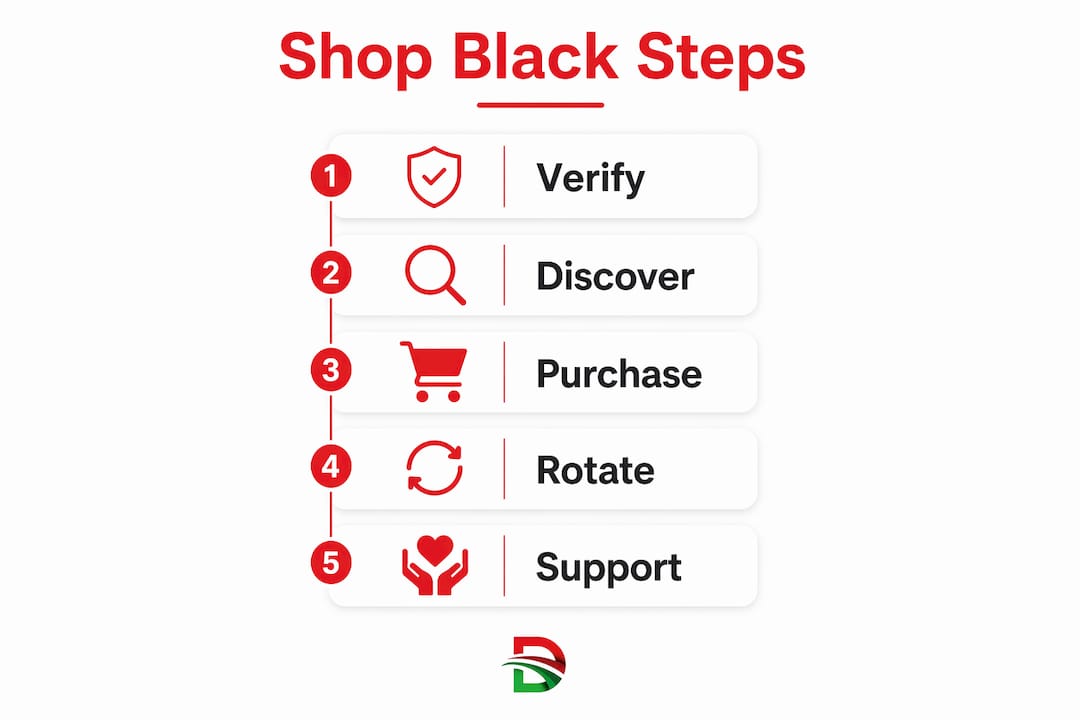
Buying once is a start. Building a relationship is what actually moves the needle for Black entrepreneurs. Referrals, detailed reviews, and connecting businesses to networks have greater long-term impact than any single transaction.
Here is how to go deeper than the checkout page:
- Leave detailed reviews: A specific, honest review on Google, Yelp, or a business’s own website builds credibility and helps new customers trust the brand. Generic five-star reviews help less than you think. A review that describes the product, the shipping experience, and the customer service gives real marketing value.
- Make credible referrals: Tell people in your network about the businesses you love, and explain why you love them. A personal recommendation carries more weight than any ad.
- Give constructive feedback: If a product or experience falls short, reach out directly to the business. Constructive feedback drives growth more effectively than a silent return or a negative public review.
- Connect entrepreneurs to opportunities: If you work in an industry where a Black-owned business could be a vendor, supplier, or partner, make that introduction. Connecting businesses to broader networks substantially increases their long-term success.
- Advocate in your workplace: If you are a purchasing decision-maker at your job, advocate for sourcing from verified Black-owned vendors. This amplifies your personal impact far beyond what individual shopping can achieve.
“Sustainable support comes from thinking of Black-owned businesses as ongoing partners instead of one-off causes. Treating them as professional partners, not temporary causes, is what creates lasting economic change.”
— YBI, 5 Practical Ways to Support Black-Owned Businesses
Shopping Black year-round across all spending occasions, not just during awareness months, amplifies community impact in ways that seasonal bursts of attention cannot match. The goal is to make Black-owned businesses a permanent part of how you spend, not a February tradition.
Common challenges when shopping Black and how to avoid them
Every committed shopper runs into friction. Knowing the most common pitfalls in advance keeps your support consistent and effective.
| Challenge | Why It Happens | How to Avoid It |
|---|---|---|
| Outdated business listings | Directories are not always updated after closures or ownership changes | Use manually verified directories like The Black Rolodex; check the business’s social media for recent activity |
| Performative support | One-time purchases during awareness months without follow-through | Commit to recurring purchases and reviews across the full year |
| Supply or scale limitations | Small businesses may have limited inventory or slower shipping | Plan purchases in advance; communicate directly with the seller about timelines |
| Difficulty verifying ownership | Some brands market as Black-owned without clear founder transparency | Look for named founders, verified directory listings, and active community engagement |
| Overlooking local options | Online shopping habits make local Black shops invisible | Search BuyBlack.org or The Black Rolodex with your city or zip code to find nearby sellers |
The most common error is treating Black business support as a campaign rather than a commitment. Support must be year-round to create the sustained revenue growth that actually changes economic outcomes. A business that gets a surge of orders in february and silence in july cannot build the stability it needs to grow.
Performative support is also worth naming directly. Sharing a social post about a Black-owned brand without purchasing, reviewing, or referring does very little for the business itself. Visibility without revenue does not pay rent or fund inventory.
Key takeaways
Shopping Black is most effective when it combines verified discovery, consistent purchasing across categories, and sustained engagement through reviews, referrals, and advocacy.
| Point | Details |
|---|---|
| Use verified directories | Rely on manually verified resources like The Black Rolodex or BuyBlack.org, not crowd-sourced lists. |
| Shop across all categories | Black-owned businesses span beauty, fashion, home goods, tech, and food. Apply a “buy Black first” approach in every category. |
| Go beyond the purchase | Reviews, referrals, and workplace advocacy create more sustained impact than one-time transactions. |
| Commit year-round | Seasonal support creates revenue spikes, not stability. Consistent monthly purchases build real business growth. |
| Verify before you buy | Check for named founders, active social presence, and directory confirmation before spending. |
Why consistency changed how I see this movement
— Ronnie
I used to think shopping Black meant buying something special once or twice a year and feeling good about it. That mindset is understandable, but it misses the point entirely.
What I have seen over time is that the businesses that thrive are the ones with a small, loyal base of customers who come back every month, leave reviews, and tell their friends. One customer who buys quarterly and refers two people is worth more than ten customers who buy once and disappear.
The economic gap between Black-owned businesses and the broader market is real. Black-owned businesses represent only about 3% of all U.S. businesses despite Black Americans making up 14% of the population. Closing that gap requires sustained consumer behavior, not awareness campaigns. Every dollar you redirect consistently is a brick in something permanent.
Treat the businesses you love as partners in a shared mission. That shift in mindset is what turns shopping into community building.
— Ronnie
Where to find curated Black-owned brands at Davillagenetwork
Davillagenetwork was built specifically to make this easier. We connect shoppers with verified Black-owned businesses across fashion, beauty, home goods, tech, fitness, and self-care, all in one place.

Our Black-owned home goods guide and 2026 shopping guide by category give you a clear, organized starting point across every product type. Whether you are refreshing your kitchen, updating your wardrobe, or stocking your self-care shelf, Davillagenetwork has curated options from sellers we stand behind. We are based in Worcester, Massachusetts, and we serve customers nationwide because this mission does not stop at a zip code. Start with one category, find a brand you love, and build from there.
FAQ
What does it mean to shop Black?
Shopping Black means intentionally purchasing from businesses that are owned and operated by Black entrepreneurs. The goal is to redirect consumer spending to close economic gaps and support community growth.
How do I know if a business is truly Black-owned?
Use manually verified directories like The Black Rolodex or BuyBlack.org, which confirm ownership before listing any business. Look for named founders and active community engagement as additional signals.
What product categories have the most Black-owned options?
Beauty, fashion, home goods, food, and tech all have strong representation from Black-owned brands. BuyBlack.org lists over 50,000 verified businesses across these and many other categories.
Is shopping Black only important during Black History Month?
No. Year-round purchasing creates the consistent revenue that Black-owned businesses need to grow and hire. Seasonal surges help short-term but do not build long-term stability.
What is the most impactful thing I can do beyond buying?
Leaving detailed reviews and making personal referrals to your network creates lasting value for Black-owned businesses. Connecting entrepreneurs to professional networks and vendor opportunities multiplies that impact further.